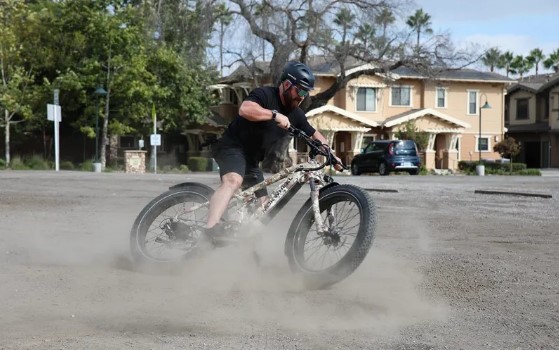
When people talk about the “fastest ebikes,” the first thing many focus on is top speed on flat pavement: whether the numbers look impressive or the specs sound extreme. But for riders who frequently deal with steep climbs, mountain trails, or off-road terrain, that definition of speed is incomplete.
In challenging terrain, true “speed” is not about a brief moment of maximum velocity. It’s about maintaining a stable, efficient, and controllable pace when conditions are difficult.
Today, more and more consumers browsing Ebikes for Sale are beginning to realize that real-world riding experience matters more than spec sheets—especially when it comes to performance in complex terrain, where usability outweighs headline speed numbers.
Why Hills and Off-Road Terrain Are the Real Test of Whether an Ebike Is Truly “Fast”
On flat roads, most electric bikes can reach relatively high speeds without much effort. But once you enter sustained climbs, loose gravel, or uneven trails, weaknesses quickly become obvious:
- Insufficient power causes noticeable speed drops
- Frequent gear changes or inconsistent assist delivery
- Struggling starts on steep inclines
That’s why many riders only discover the truth after searching ebike near me and test-riding locally. Some models that appear “fast” on paper simply can’t maintain usable speed in real climbing conditions.
For mountain and off-road riders, the meaning of “fastest” isn’t defined by peak speed—it’s defined by the ability to deliver continuous power under high load and resistance. That capability is what truly determines riding efficiency.
The Key Metric That Really Determines Climbing Speed: Torque
When choosing an electric bike, many people are drawn to top speed figures while overlooking a more critical factor: torque.
In climbing and off-road environments, high torque means:
- Stronger starts on steep slopes
- More usable low- and mid-speed power
- Less performance drop-off on long climbs
As consumers compare different Ebikes for Sale, many begin to realize that torque is a far more accurate reflection of real performance in demanding terrain than maximum speed ratings.
Put simply: torque determines how fast you can actually ride in difficult conditions—not how fast you could ride in ideal ones. That’s why some bikes with modest top-speed claims feel significantly “faster” on hills and trails.
How Frame Design and Components Affect Speed in Complex Terrain
In climbing, mountain, and off-road scenarios, speed isn’t determined by the motor alone. Overall bike design and component choices play an equally important role. Compared to city riding, rough terrain places much higher demands on stability and control, especially in the following areas:
Power Distribution and Balance
A well-designed power layout helps maintain proper weight distribution during climbs, reducing front-wheel lift or rear-wheel slip. This allows riders to hold a steady pace instead of constantly correcting balance.
Frame Strength and Structural Rigidity
A strong, rigid frame minimizes flex at higher speeds on rough terrain, improving control and allowing riders to maintain higher average speeds without frequent slowing.
Wide Tires and Traction
Wide tires provide a larger contact patch, delivering superior grip on gravel, dirt, and loose surfaces. This traction advantage helps achieve a riding experience that is both stable and fast.
Suspension and Speed Consistency
Proper suspension absorbs impacts from uneven ground, reducing disruption to riding rhythm. This allows riders to maintain smooth, continuous speed over long stretches of rough terrain.
For this reason, many people searching for an ebike near me pay close attention to whether a model is suitable for trails and off-road use—not just urban commuting.
How This Philosophy Shows Up in Real Products: The MOKWHEEL Obsidian-2-0
Among Fastest Ebikes designed for challenging terrain, some brands choose not to chase extreme numbers. Instead, they focus on delivering usable, legal, real-world performance. The MOKWHEEL Obsidian-2-0 is a strong example of this approach.
It features a 750W motor with peak output up to 1300W, providing strong and consistent power for steep starts and sustained climbs without noticeable fade. Its 560-pound payload capacity helps maintain stability when carrying cargo or riding under heavy load, even on difficult terrain.
When browsing high-performance Ebikes for Sale, designs that balance power with structural stability often deliver greater long-term value than bikes built around a single standout spec.
In terms of speed, the Obsidian-2-0 offers a maximum assisted speed of 28 mph, aligning with regulations in most U.S. regions. For riders searching ebike near me for trail-capable models, this combination of compliance and efficiency makes it suitable for real-world, long-term use.
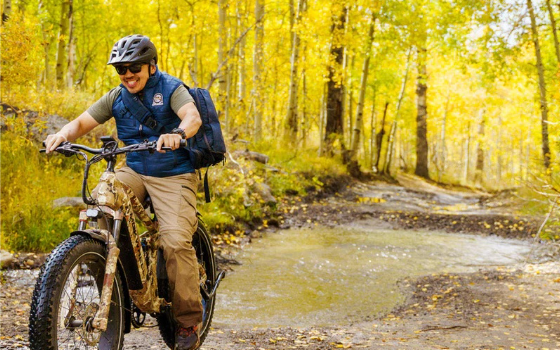
Real Speed Comes From Performance You Can Actually Use—Legally
It’s important to understand that the fastest bikes for climbing and off-road riding are not about breaking speed limits.
Within legal speed ranges, bikes that offer higher power reserves and stable designs allow riders to reach and sustain efficient cruising speeds more easily in real riding conditions. That’s the kind of performance most riders can actually benefit from.
This is why more consumers comparing Ebikes for Sale now prioritize sustained performance over headline top speed.
Who Are These “Fastest” Ebikes Really For?
Fast ebikes built for hills, mountains, and off-road terrain are especially well suited for:
- Riders who regularly travel through hilly or mountainous areas
- Enthusiasts who enjoy exploring unpaved routes
- Users who value consistent power and stability
- Anyone searching ebike near me for a bike that truly handles complex terrain
For these riders, “fast” means reliability, repeatability, and control—not reckless speed.
The True “Fastest” Is Built on Long-Term Usable Performance
The fastest ebikes for climbing, mountain, and off-road riding don’t win by advertising extreme top speeds. They win by balancing power delivery, structural strength, and handling—allowing riders to maintain rhythm even in tough conditions.
When comparing different Ebikes for Sale, or repeatedly searching ebike near me, the models truly worth attention are those that can ride fast, ride stable, and ride consistently in the real world.
Frequently Asked Questions
How are climbing and off-road ebikes different from regular electric bikes?
The main difference lies in power consistency and structural stability.
Regular ebikes may feel quick on flat roads but often lose speed on long climbs or rough terrain. Off-road-oriented models typically offer higher torque, stronger frames, better traction, and improved suspension to maintain speed in difficult conditions.
Does higher motor power always mean faster climbing?
Not necessarily.
Motor power affects starts and climbing ability, but tuning, torque delivery, and overall bike weight are just as important. Under legal speed limits, higher power usually provides more reserve—not unlimited speed. For hills and trails, smooth and consistent output matters more than raw wattage.
Do fat tires reduce speed?
On smooth pavement, fat tires may have slightly higher rolling resistance. However, in mountain and off-road environments, the added grip and stability often allow riders to maintain higher safe speeds. On gravel, dirt, and uneven surfaces, fat tires can actually improve overall efficiency.
Is 28 mph fast enough for mountain and off-road riding?
For most riders, yes.
In complex terrain, speed is usually limited by trail conditions and control—not motor output. A legal 28 mph assist limit already covers the vast majority of real-world riding scenarios, especially when stability and control are prioritized.
Does heavy load significantly affect climbing performance?
It can, but the impact depends on the bike’s design.
Higher payload capacity typically means a stronger frame and greater power reserve. Well-designed ebikes can maintain stable performance even under heavy loads on hills or rough terrain.
Are these types of fast bikes suitable for beginners?
If your riding environment includes hills or unpaved paths, they can actually be more beginner-friendly.
The key is not speed, but stability and control. New riders should prioritize braking performance, frame stability, and smooth power delivery rather than chasing top speed numbers.
Besides speed and power, what else should buyers focus on?
Key factors include:
- Braking system matched to overall performance
- Frame strength and rigidity
- Tire type suited to real riding conditions
- Battery range under high-load usage
Ultimately, the best “fastest” ebike is the one whose configuration truly matches your real riding environment—not the one with the most extreme numbers on paper.