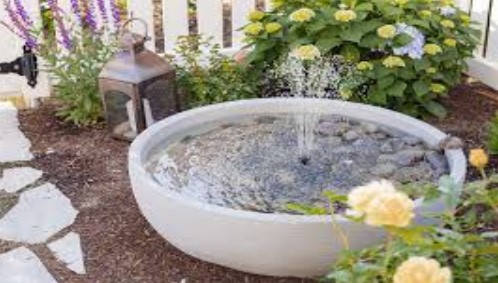
Adding a fountain to your garden or patio is one of the most rewarding ways to transform your outdoor space into a relaxing retreat. The soothing sound of flowing water can create a peaceful atmosphere, while the elegant look of a fountain adds visual charm and sophistication.
Building an outdoor fountain is easier than it may seem, especially when you follow the right steps and use quality materials. Whether you have a large backyard or a small corner patio, you can create your own beautiful water feature with a little time and creativity.
The Benefits of Adding an Outdoor Fountain
Before starting the building process, it is helpful to understand the many benefits that an outdoor fountain offers.
- Aesthetic Appeal: A fountain instantly elevates your landscape. It becomes a focal point that adds style and elegance to your outdoor area.
- Relaxation: The gentle sound of trickling water promotes relaxation, helping to reduce stress and enhance well being.
- Wildlife Attraction: Birds and butterflies are naturally drawn to water, so a fountain can bring more life to your garden.
- Cooling Effect: Flowing water helps cool the air around your outdoor space, making it more comfortable on warm days.
- Increased Property Value: A well designed fountain enhances the beauty and appeal of your property, making it more attractive to visitors or potential buyers.
Now let’s explore the step-by-step process of building your own outdoor fountain.

Planning Your Outdoor Fountain
Good planning is the foundation of a successful project. Start by deciding what type of fountain you want to build.
When building your outdoor fountain, investing in reliable and efficient equipment makes all the difference. The Poposoap waterfall pump provides a powerful yet quiet water flow, perfect for creating smooth cascading effects.
There are several styles to choose from:
- Tiered fountains: Elegant and traditional, often seen in courtyards or large gardens.
- Wall fountains: Ideal for smaller spaces and patios.
- Container fountains: Great for beginners, as they require minimal space and materials.
- Rock fountains: Natural and rustic, blending beautifully with garden landscapes.
Next, decide where you want to place the fountain. Choose a location that is visible and accessible, preferably where you can hear the sound of the water from your favorite sitting area. If you are using a solar powered pump, make sure the area gets enough sunlight throughout the day.
Finally, determine the size and scale of your fountain. A small patio fountain might need only a single basin and pump, while a large garden fountain could require multiple levels or a pond base.
Materials and Tools You Will Need
Before construction begins, gather all the materials and tools needed for your project. Here’s a general list:
- Fountain basin or container
- Submersible pump or solar pump
- Tubing and connectors
- Decorative stones, pebbles, or gravel
- Waterproof sealant
- Power source (electrical outlet or solar panel)
- Waterproof liner (for ponds or larger fountains)
- Shovel and leveling tools
- Water supply
You can find most of these materials at garden centers or hardware stores. If you want to simplify the process, you can purchase an outdoor fountain kit that includes everything in one package.
To maintain water clarity and freshness, the pond filters ensure clean circulation, preventing algae buildup and maintaining the health of your water feature.
These high-quality products make the entire fountain building process easier and more effective, ensuring that your fountain remains attractive and functional for years.
Step 1: Prepare the Fountain Base
The first step is to prepare the foundation or base where the fountain will sit. If you are building a pond fountain, dig a hole for the basin according to the desired size and depth.
Line it with a waterproof liner to prevent leaks and stabilize the ground. For container or freestanding fountains, place a sturdy basin or pot on a level surface.
Use a leveling tool to make sure the base is even, as uneven ground can cause water to flow improperly or create unnecessary stress on the pump.
Step 2: Install the Pump
Next, install the pump at the center or bottom of the basin. The pump is the heart of the fountain, responsible for circulating water through the system. Attach the tubing securely to the pump outlet, ensuring there are no air gaps or leaks.
If you are using an electrical pump, connect it to an outdoor-rated extension cord or nearby outlet. For solar powered fountains, position the solar panel in a location with maximum sunlight exposure.
Before adding decorative materials, test the pump briefly to confirm that the water circulates smoothly. Adjust the water pressure if needed for the desired flow effect.
Step 3: Create the Fountain Structure
Once the pump is functioning properly, you can begin building the main structure of the fountain. This step will vary depending on your design.
For a container fountain, stack pots of different sizes, allowing water to flow from the top container into the lower one. For a rock or waterfall fountain, arrange natural stones and secure them with waterproof adhesive.
Ensure that the tubing runs through the center of the structure so that water flows evenly from top to bottom. Hide the tubing with decorative stones or gravel to maintain a natural look.
Step 4: Add Decorative Elements
This is the fun part of the project where you can personalize your fountain. Use smooth pebbles, colored glass, river rocks, or even small statues to decorate around the basin. The goal is to enhance beauty while helping the fountain blend with the surrounding landscape.
Consider adding plants that thrive near water, such as ferns, lilies, or hostas. They will complement the flowing water and create a serene garden atmosphere.
If you enjoy watching wildlife, you can design a shallow area that allows birds to bathe or drink safely. The gentle water flow will naturally attract them, adding life and movement to your garden.
Step 5: Fill the Fountain with Water
Once all components are in place, fill the basin with clean water. Make sure the pump is fully submerged. Turn it on to test how the water flows through the fountain. Adjust the tubing or positioning if needed to achieve a smooth and balanced flow.
Check for any leaks or splashing outside the basin and make minor corrections. After a few adjustments, your fountain should be running perfectly, creating the soothing sound of moving water that defines peaceful outdoor spaces.
Step 6: Maintaining Your Outdoor Fountain
A well maintained fountain can last for many years with minimal effort. Here are some key maintenance tips:
- Clean the pump regularly: Remove debris, leaves, and algae that may clog the system.
- Refill water levels: Evaporation can lower the water level, so top it up frequently to prevent the pump from running dry.
- Use a pond filter: A filter like the Poposoap pond filter helps keep the water clean and prevents unpleasant odors.
- Winter care: In colder climates, drain and cover your fountain during winter to prevent damage from freezing temperatures.
- Inspect tubing and seals: Check for leaks or wear and replace parts when necessary.

With these simple steps, your outdoor fountain will remain a beautiful and functional centerpiece throughout the year.
The Environmental and Emotional Benefits of Water Features
Beyond their aesthetic charm, fountains offer both environmental and psychological benefits. Flowing water encourages biodiversity by attracting beneficial insects and birds. The constant movement prevents stagnant water, reducing the chance of mosquito breeding.
The Poposoap solar water fountain and pump offers an eco-friendly option that runs on sunlight, reducing electricity costs while keeping your garden beautiful.
The presence of water also has a calming effect on the mind. Many people find that the sound of gentle water helps relieve stress and improve mood. It can transform your garden into a therapeutic space for relaxation, meditation, or simply enjoying nature’s beauty.
Choosing Between Electric and Solar Pumps
When deciding how to power your fountain, you have two main choices: electric or solar.
Electric pumps offer consistent performance and can operate continuously, regardless of weather conditions. However, they require access to an outdoor power outlet and may involve some wiring.
Solar pumps, such as the Poposoap solar water fountain, are an excellent choice for those who prefer eco friendly solutions. They operate using sunlight, making them cost effective and easy to install. Solar fountains are perfect for smaller setups and sunny gardens.
Whichever option you choose, make sure the pump is rated for outdoor use and provides adequate water flow for your fountain’s design.
Tips for Customizing Your Fountain
Every garden is unique, so feel free to add your own creative touch to the fountain.
- Lighting: Add LED lights under or around the fountain to make it glow beautifully at night.
- Scented plants: Surround the fountain with fragrant flowers like jasmine or lavender for an added sensory experience.
- Seating area: Place benches or chairs nearby so you can relax and enjoy the calming sound of water.
- Pathways: Create a stone or gravel path leading to the fountain to make it an inviting centerpiece.
The key is to design a space that reflects your personality and brings joy to your outdoor living area.
Troubleshooting Common Fountain Issues
Sometimes, fountains may face minor issues such as reduced water flow or unusual noise. Here are quick solutions:
- Low water flow: Check if debris is blocking the pump intake or if the water level is too low.
- Noisy pump: Air trapped inside the tubing can cause noise. Turn the pump off, refill the water, and restart.
- Algae growth: Use a pond filter and clean the basin regularly to prevent green buildup.
- Splashing water: Adjust the flow rate or reposition stones to minimize splashes.
Regular maintenance and care will keep your fountain functioning smoothly and looking beautiful.

Enjoying the Final Result
Once your outdoor fountain is complete, take a moment to enjoy the transformation.
The gentle movement of water, the reflection of sunlight on the surface, and the calming sound all combine to create an atmosphere of peace and serenity. It is more than just a decorative feature; it becomes a personal sanctuary within your home.
Whether you are sipping morning coffee, meditating, or hosting a gathering, the presence of your fountain will elevate every outdoor moment.
Final Thoughts:
To ensure your fountain remains efficient and long lasting, always rely on dependable products such as the Poposoap waterfall pump, Poposoap solar water fountain, and Poposoap pond filter.
These tools combine durability, functionality, and eco friendly performance, allowing your fountain to operate smoothly year after year.