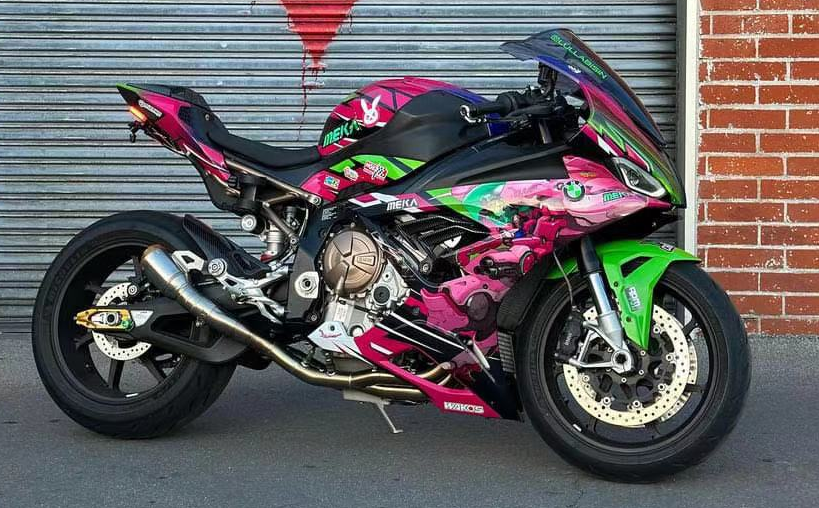
Motorcycle culture has always been deeply tied to personal expression. From custom exhaust notes to bold paint jobs, riders enjoy transforming their bikes into reflections of their personality. But one area that has quickly risen in popularity—faster than nearly any other motorcycle accessory—is the use of motorcycle helmet wraps.
Helmet wraps bring together style, safety awareness, individuality, and affordability. Whether a rider wants a sleek matte finish, a neon safety color, anime graphics, military themes, or a full custom design, helmet wraps provide nearly limitless freedom. And unlike paint, wraps are removable, reversible, and relatively inexpensive.
In this guest post, we’ll explore everything you need to know about motorcycle helmet wraps: what they are, why riders love them, how much they cost, what designs are trending, and how to choose the right wrap for your needs.
What Are Motorcycle Helmet Wraps?
A motorcycle helmet wrap is a high-quality vinyl film applied to the outer shell of a helmet. The material is similar to what’s used in vehicle wraps—flexible, durable, UV-resistant vinyl that conforms to curved surfaces.
Riders choose helmet wraps for a variety of reasons:
- Style and personalization
- Protection for the helmet’s original finish
- Ability to change designs without buying a new helmet
- Cost savings compared to custom paint
- Reflective or high-visibility safety enhancements
Motorcycle helmet wraps can be installed by a professional or applied at home using heat, patience, and the correct tools. When done correctly, they look seamless and professionally finished.
Why Riders Are Choosing Helmet Wraps Over Paint
Custom painting a helmet looks great—but it’s expensive, permanent, and can compromise the helmet if not done properly. Many manufacturers warn that sanding, solvents, or incorrect paint can damage the shell structure.
Helmet wraps solve all these issues.
1. They are completely reversible
If a rider changes styles—switching from a skull design to a racing stripe, or from a matte look to a neon reflective wrap—they can simply remove and replace the vinyl with no damage.
2. They cost a fraction of custom paint
A high-end custom airbrushed helmet paint job can cost $300–$1,500+, depending on the complexity.
A wrap typically costs:
- $50–$120 for DIY material
- $150–$300 for a professional installation
- $150–$250 for printed custom graphics
That’s a huge difference for riders who want variety without breaking the bank.
3. They protect the shell
Wraps add a layer of protection against:
- UV fading
- Stone chips
- Scratches
- Road debris
The original helmet paint stays safe underneath.
4. They support safety and visibility
Reflective helmet wraps are extremely popular among night riders, commuters, and touring riders who want extra visibility without wearing bright jackets or vests.
Popular Styles and Trends in Motorcycle Helmet Wraps
One reason helmet wraps have become so widespread is the massive variety of designs available. Some riders prefer stealthy, professional looks. Others go bold and loud. Here are the most in-demand styles right now:
1. Matte Black and Stealth Finishes
The most classic style—simple, clean, and aggressive.
Matte wraps look premium and eliminate glare. Popular with sportbike riders and naked bike owners.
2. Carbon Fiber Patterns
These wraps mimic carbon fiber texture and depth, giving the helmet a performance-driven, motorsport aesthetic. Perfect for riders who love a race-inspired look.
3. Full Graphic Designs
These can include:
- Anime and Itasha-style characters
- Flames, skulls, and horror themes
- Racing graphics
- Superhero themes
- Camouflage and military designs
- Street-art neon stylings
This is where custom wraps shine—the helmet becomes a canvas.
4. Chrome, Holographic, and Specialty Films
Riders who want attention may choose:
- Chrome mirror wraps
- Oil-slick holographic colors
- Candy metallic films
- Prism and rainbow patterns
These high-contrast designs turn heads instantly.
5. Reflective and Safety-Focused Wraps
These wraps aren’t just stylish—they’re functional. Reflective strips, full reflective shells, or high-visibility neon wraps help riders stand out to other motorists.
6. Brand Logos and Racing Numbers
Popular among track riders and motorsport fans:
- Racing numbers
- Stripes and performance accents
- GP-style sponsor graphics
These add a competitive edge to any helmet.
How Long Do Motorcycle Helmet Wraps Last?
Quality vinyl (3M, Avery, Orafol, Hexis) lasts 3–7 years, depending on:
- Sun exposure
- Riding conditions
- Storage
- Whether the helmet is regularly cleaned
A rider who takes care of their helmet wrap—avoiding harsh chemicals and power washers—can expect excellent durability.
Can Helmet Wraps Be Applied to Any Helmet?
Most helmets can be wrapped, including:
- Full-face helmets
- Modular helmets
- Half helmets
- Dual-sport/adventure helmets
- Motocross helmets
However, there are some limitations:
1. Extremely complex vents or sharp curves
Helmets with many vents are harder to wrap; the vinyl must stretch precisely.
2. Soft-touch or rubberized coatings
These can cause adhesion problems.
3. Old or damaged helmets
Vinyl will not fix cracks or structural issues.
In general, full-face helmets with smoother surfaces are the easiest and cleanest to wrap.
DIY vs Professional Installation
Riders often debate whether to wrap their helmets themselves.
Here’s a clear comparison:
DIY Installation (recommended for basic wraps)
Pros:
- Cheaper
- Rewarding and customizable
- Easy with practice
Cons:
- Requires heat gun, squeegee, time, and patience
- Harder on complex vents or curves
- Risk of bubbles or uneven seams
Professional Installation (recommended for detailed graphics)
Pros:
- Clean, seamless finish
- Fast turnaround
- Perfect alignment
- No risk to the helmet
Cons:
- Higher cost
- Must choose a trustworthy installer
If the wrap has printed graphics, detailed art, or multiple layers, professional installation is widely preferred.
Caring for a Wrapped Motorcycle Helmet
Maintenance is simple, but just like car wraps, proper care makes a huge difference.
Tips for long-lasting results:
- Clean only with mild soap and water
- Avoid rubbing alcohol, harsh cleaners, or petroleum products
- Don’t use power washers
- Store the helmet indoors when possible
- Use a microfiber cloth to prevent scratches
- Apply ceramic coating designed for vinyl for extra protection
With the right care, the wrap will maintain color and crisp edges for years.
Custom Helmet Wraps: The Rise of Personal Expression
More and more riders are choosing fully custom-printed wraps, where any design—anime, skull art, portraits, race numbers, team colors—can be created from scratch.
This is especially popular among:
- Motovloggers
- Track riders
- Touring riders
- Motorcycle clubs
- Cosplay and Itasha community members
Custom wraps let riders match their helmet with their bike wrap, riding jacket, or overall branding. It’s personalization taken to the next level.
Are Helmet Wraps Safe?
Yes—when done correctly.
High-quality vinyl is lightweight, thin, and does not affect the helmet’s impact absorption. Because the wrap goes on top of the shell surface and uses low-to-medium tack adhesive, it doesn’t compromise structural safety.
However:
- Never sand the helmet
- Never use solvent-based paint under a wrap
- Only apply wraps to a clean, undamaged shell
Riders should always make sure the helmet’s certification labels (DOT, ECE, Snell) remain visible.
Why Motorcycle Helmet Wraps Are a Smart Upgrade
Helmet wraps provide the perfect blend of style, identity, safety, and affordability. Riders can refresh their helmets as often as they want, switching between clean styles and bold graphics without committing to expensive paint.
They offer:
- An easy way to transform any helmet
- Protection from scratches and UV damage
- Cost-effective customization
- Near-infinite design possibilities
- Quick reversibility
- A chance to stand out on the road or at the track
Whether you’re a casual commuter, a weekend cruiser, or a track-day enthusiast, a wrapped helmet adds personality and flair while maintaining practical benefits.
Closing Thoughts
Motorcycle helmet wraps have become a staple in the riding community—and for good reason. They combine creativity with practicality, allowing riders to design a helmet that truly represents who they are. From reflective safety colors to full custom artwork, helmet wraps open the door to endless expression without sacrificing affordability or safety.