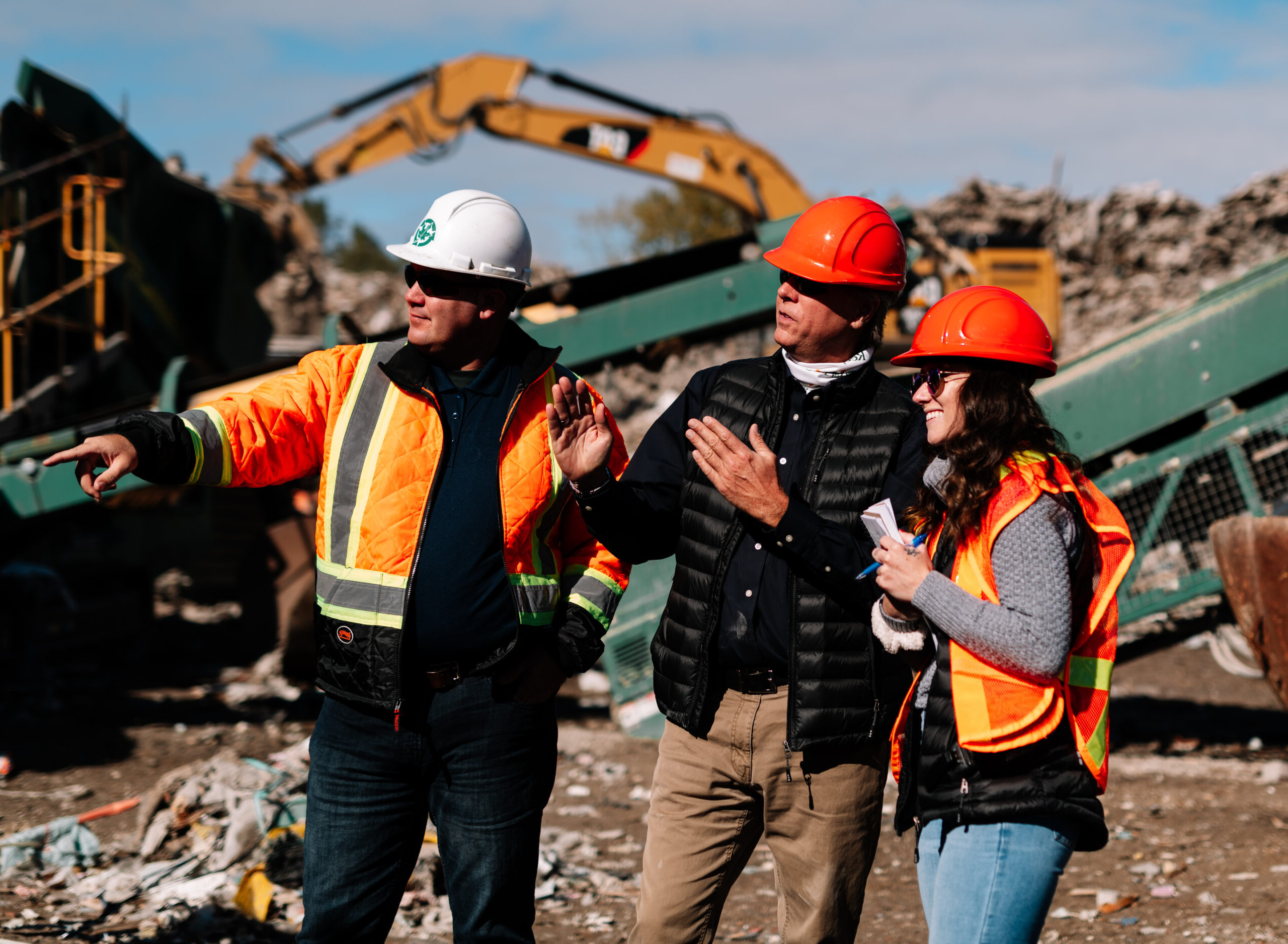
Finding a reliable dumpster near me is essential for managing waste efficiently during home projects, renovations, or business cleanups. Many local companies offer a variety of dumpster sizes along with flexible delivery and pickup options to suit different needs. The best way to secure a dumpster nearby is to compare available rental services that provide quick delivery, easy booking, and transparent pricing.
Access to a nearby dumpster rental helps keep spaces clean and clutter-free without the hassle of multiple trips to disposal sites. Whether for residential, commercial, or construction purposes, local dumpsters are designed to handle various types of waste safely and professionally. Customers can often book online or get quotes with just a few clicks, making waste management straightforward and convenient.
How to Find the Best Dumpster Near Me
Finding the right dumpster involves matching the dumpster size to the project, carefully comparing rental companies, and understanding pricing alongside availability. Each factor contributes to a smooth rental experience and ensures cost-effectiveness without surprises.
Choosing the Right Dumpster Size
Selecting the appropriate dumpster size depends on the volume and type of waste being disposed of. Common sizes range from 10 yards for small residential cleanouts to 40 yards for large construction projects. A smaller bin minimizes costs but may require multiple pickups if too small. Larger dumpsters reduce trips but increase rental fees and space needed for placement.
Projects like home renovations often fit well with 15-20 yard bins. Construction debris may need 30-40 yard containers. It helps to estimate waste volume in cubic yards or by room size. Many rental companies provide guidance to avoid under- or overestimating needs. Knowing allowed materials is important because some sizes or companies restrict disposal of items like concrete or hazardous waste.
Comparing Dumpster Rental Companies
Evaluating different dumpster rental companies involves checking service areas, customer reviews, and rental terms. Local providers often offer faster delivery and more flexible scheduling. Franchise-based companies may provide uniform policies and consistent customer service across regions.
Look for transparency in rental agreements, including what size options are available, delivery fees, and pickup procedures. Some companies specialize in residential services with smaller dumpsters, while others target commercial or construction projects with larger containers. A simple online comparison tool or aggregator can save time by showing multiple options with pricing and availability side by side.
Pricing and Availability Considerations
Dumpster rental prices vary based on size, rental duration, location, and type of waste. Typical pricing models include a flat rate for a standard rental period plus fees for overages like excess weight or extended rental time. Additional costs may apply for special waste or geographic factors such as remote delivery locations.
Availability depends on local demand and current fleet capacity. Booking several days in advance increases the chance of securing the desired size. Some services offer same-day or next-day delivery but may charge a premium. Checking cancellation and rescheduling policies helps avoid extra charges in case of change.
| Factor | Impact on Price or Availability |
|---|---|
| Dumpster size | Larger bins cost more and take longer to fill |
| Rental duration | Longer rentals increase total costs |
| Location | Remote or urban areas affect delivery fees |
| Waste type | Restricted or hazardous waste incurs extra fees |
| Booking time | Early booking improves availability and lowers cost |
Key Factors to Consider Before Renting a Dumpster
Choosing the right dumpster involves more than just selecting the size. Proper planning around rules, logistics, and responsible disposal helps avoid unexpected costs and delays.
Local Regulations and Permits
Renters must check local laws related to dumpster placement and waste disposal. Many cities require permits for dumpsters placed on public roads or sidewalks. Obtaining these permits in advance prevents fines and project interruptions.
Regulations may also dictate the types of waste accepted. Some materials—like hazardous waste, electronics, or certain construction debris—are often restricted. Renters should confirm with the provider whether these items are allowed and if special handling is needed.
Reviewing weight limits is essential to avoid overage fees. Overfilled dumpsters or exceeding weight caps can lead to penalties. Knowing local requirements ensures compliance and smooth project progress.
Delivery and Pickup Logistics
Scheduling dumpster delivery and pickup accurately is key to avoiding downtime. Clear communication with the rental company about start and end dates prevents overlap or early removal.
The placement location should be accessible for the delivery truck, free of obstacles like parked cars or low wires. Renters need to prepare a flat, stable surface to avoid damage or tipping.
Confirm whether the rental company provides curbside drop-off or requires a specific loading area. Understanding these details upfront helps time the project efficiently and reduces hassle.
Environmental Responsibility
Disposing of waste properly protects the environment and meets legal standards. Renters must separate recyclable materials from general trash when possible.
Some rental companies offer sorting guidance or recycling services. Asking about these options supports sustainable waste management.
Improper disposal of hazardous items can cause contamination and legal action. Always verify that dumpsters are suitable for the intended waste type and that the company follows proper disposal protocols.