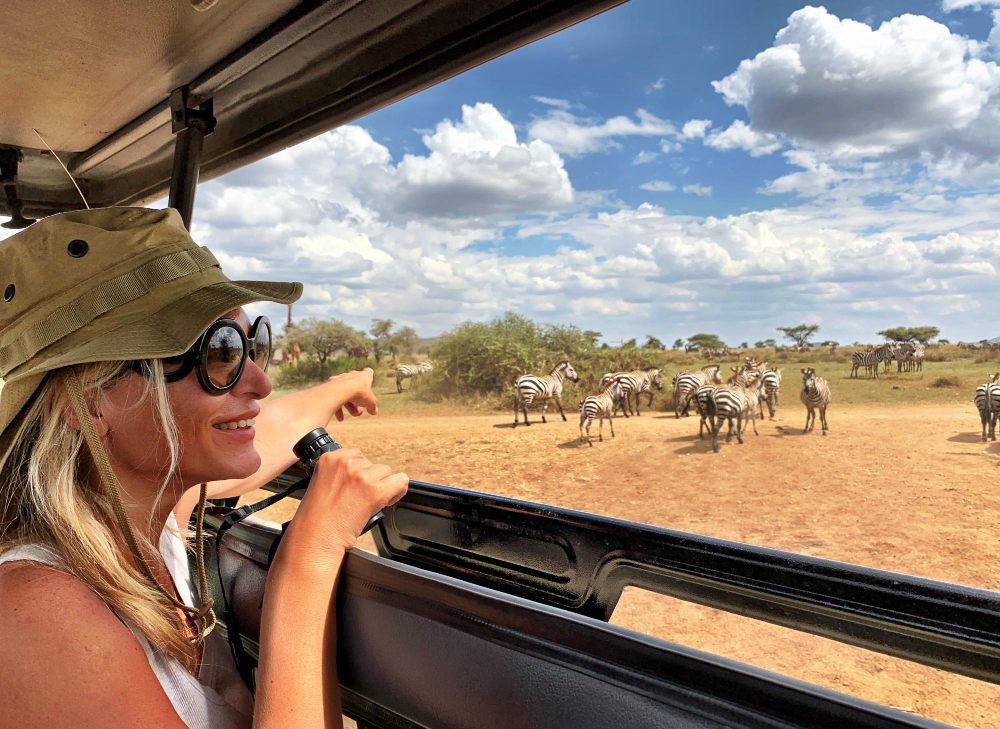
Kenya is a country that most travellers associate immediately with wildlife and beaches, and both are worth every bit of the reputation. But Kenya runs deeper than its famous parks and coastline. From urban cultural experiences in Nairobi to mountain hikes, marine parks, historical forts, and hidden nature sanctuaries, the country offers a remarkable range of things to do that most visitors only scratch the surface of. This guide covers the best experiences across Nairobi, Kenya’s highlands, its national parks, and the coast, giving you a complete picture of what a trip here can look like. Many of these experiences pair naturally with African safari tours that move between multiple destinations, allowing you to combine wildlife, culture, adventure, and coast in a single well-planned itinerary.
Things to Do in Nairobi
Below are some of the amazing things to do in kenya while on a safari here.
Nairobi Arboretum
The Nairobi Arboretum sits on 30 hectares of land just three kilometres from the city centre and offers a quiet, green escape from the urban environment around it. Around 350 species of indigenous and exotic trees are spread across the grounds, with walking trails, picnic spots, open lawns, and excellent birdwatching throughout. The arboretum opens at 6:00 am and closes at 6:15 pm daily. Entrance fees range from 200 to 800 Kenya Shillings depending on age and residency status, and only card payments are accepted.
Nairobi Snake Park
The Nairobi Snake Park, located near the National Museum, houses an impressive collection of snake species including the black mamba, African rock python, Egyptian cobra, Gaboon viper, and puff adder. For those who have never encountered these species up close, the experience is genuinely eye-opening and far less frightening than the thought of it. Entrance costs approximately 400 Ksh for adults and 200 Ksh for children.
Nairobi National Park
Nairobi National Park holds a unique distinction as the only national park in the world situated inside a capital city, just seven kilometres from the city centre. Despite its proximity to Nairobi’s skyline, the park supports a wide range of wildlife including lions, rhinos, giraffes, ostriches, crocodiles, and hundreds of bird species. It is the oldest national park in Kenya, established in 1946, and offers excellent game drives within easy reach of the city. Adults pay 1,000 Ksh and children pay 500 Ksh as entry fees.
Nairobi National Museum
The Nairobi National Museum is the largest and most comprehensive museum in Kenya, offering an excellent introduction to the country’s natural and cultural history. The fossil collection is among the most significant in Africa, housing some of the oldest hominid remains ever discovered. The museum’s galleries include the Cradle of Humankind Gallery, the Story of Mammals Gallery, the History of Kenya Gallery, and the Cycles of Life Gallery, alongside traditional artefacts representing Kenya’s 42 ethnic communities. It is open Monday to Sunday from 8:30 am to 5:30 pm throughout the year.
Giraffe Centre
The Giraffe Centre was established by the African Fund for Endangered Wildlife to protect the Rothschild giraffe, one of the most endangered giraffe subspecies in the world. Visitors can feed giraffes from an elevated platform, getting close enough to look them directly in the eye. The best time to visit is early morning or late afternoon to avoid the busiest periods. Entry for non-resident adults costs 1,500 Ksh and 750 Ksh for children aged 3 to 12.
Kenyatta International Convention Centre
The KICC is a 32-storey landmark building in central Nairobi and one of the most architecturally distinctive structures in East Africa. The observation deck at the top offers some of the best views of the city and its surrounding landscape. The building also features a courtyard centred on a 1971 statue of Jomo Kenyatta, a large ballroom for international conferences, and an amphitheatre for mid-sized events. Its distinctive circular design continues to attract visitors from across the world.
Uhuru Gardens Memorial Park
Uhuru Gardens holds significant historical meaning as the site where Kenya declared its independence on 12 December 1963. Entry to the gardens is free, making it one of the most accessible attractions in Nairobi. The grounds include spacious seating areas, botanical gardens, a small artificial lake, a fountain, a children’s playground, and historical plaques that document key moments in Kenya’s path to independence. It is a peaceful place for a walk and a good starting point for understanding Kenyan history.
Bomas of Kenya
Bomas of Kenya is a cultural centre and open-air exhibition that brings together the traditional homesteads of Kenya’s major ethnic communities in a single site. The name Bomas refers to the traditional homestead structure, and the replicas here represent the Kikuyu, Maasai, Kamba, Meru, Luo, and other communities. Cultural performances including traditional dances and songs take place in the afternoon, and vendors sell artefacts, jewellery, and cultural items representing the various communities. It is one of the most engaging cultural experiences available in Nairobi.
David Sheldrick Wildlife Trust
The David Sheldrick Wildlife Trust, founded by Daphne Sheldrick, is one of Africa’s most celebrated elephant conservation organisations. The trust has hand-raised and rehabilitated more than 250 orphaned elephants over the years, eventually releasing them back into the wild in Tsavo National Park. Visiting the nursery during the daily public viewing hour gives you the chance to watch baby elephants being fed and playing under the supervision of their keepers. The experience is genuinely touching and the conservation story behind it is extraordinary.
Karura Forest
Karura Forest covers 564 hectares in the upmarket northern suburbs of Nairobi and offers a surprising amount of nature within easy reach of the city. Walking trails, cycling routes, a waterfall, butterfly and bird watching, tree planting activities, and picnic areas make it one of the most versatile green spaces in East Africa. Entry costs 750 Ksh for non-residents and 200 Ksh for citizens.
Kibera Township Tour
A guided tour through Kibera, widely described as the largest informal settlement in Africa, is a deeply human experience that shifts perspective in ways that standard tourist attractions rarely achieve. When conducted respectfully and with an experienced local guide, a Kibera tour reveals the extraordinary community spirit, entrepreneurship, creativity, and resilience of the people who live there. It is an experience that generates more reflection than any museum or game drive.
Paradise Lost
Paradise Lost is an outdoor adventure park in Kiambu, a short drive from Nairobi, offering an unusually wide range of activities in a single location. Quad biking, camel and horse riding, boat rides, zip-lining, archery, fishing, camping, and visits to Old Stone Age caves are all available. Activity costs are charged separately from the entrance fee of 400 Ksh for adults and 300 Ksh for children. It works well as a half-day trip from the city and is popular with families.
Farmers Market
The Karen Farmers Market, held on Saturdays and organised by the Kenya Society for the Protection and Care of Animals, is one of Nairobi’s most enjoyable weekend activities. Fresh produce, spices, artisan food products, essential oils, locally made jewellery, honey, cakes, and handcrafted goods fill the stalls, and the atmosphere is relaxed and community-oriented. There is no entrance fee for visitors.
Best Hiking Experiences in Kenya
Ngong Hills
The Ngong Hills sit southwest of Nairobi and offer an excellent day hike with rewards well beyond the effort required. On clear days, the ridgeline provides views across the Great Rift Valley in one direction and the Nairobi skyline in the other, with Mount Kilimanjaro occasionally visible on the horizon. A large wind farm runs along the hilltops and adds an unusual visual element to the landscape. The trail is popular with birdwatchers and those interested in the area’s wildlife, which includes various monkey species and small antelopes.
Oloolua Nature Trail
The Oloolua Nature Trail is located about 11 kilometres from the city centre in the Karen area and offers a peaceful walk through indigenous forest along a route that passes a small gorge and a waterfall. Colobus monkeys are commonly spotted in the forest canopy, and the Hartlaub’s turaco is a notable bird species found here. Activities include jogging, short hikes, and picnicking. Entry costs 200 Ksh for adults and 100 Ksh for children.
Mount Kenya
Mount Kenya is the highest peak in Kenya and the second highest mountain in Africa after Kilimanjaro. The mountain offers routes through dense forest, bamboo zones, alpine moorland, and rocky summit terrain. The Sirimon and Chogoria routes are the most popular for summit attempts and require a minimum of six days to complete safely. The best months for the climb are October, January, and March when weather conditions are most stable.
Mount Lesatima
Mount Lesatima stands at 4,001 metres and is the highest point in the Aberdare Range. The hike takes between six and seven hours to complete and costs 4,550 Ksh for citizens and $95 for non-residents. The route passes through dramatic moorland terrain and offers views of the distinctive Dragon Teeth rock formations along the way.
Mount Longonot
Mount Longonot is a dormant volcano situated 74 kilometres northwest of Nairobi and is one of the most popular day hikes in Kenya for good reason. The trail to the crater rim and around the crater itself offers views of the lava flows, parasitic cones, and steep crater walls left by the volcano’s last eruption in the 1860s. The hike is manageable for beginners and experienced hikers alike and can be completed comfortably in a day trip from Nairobi.
National Parks and Reserves
Masai Mara National Reserve
The Masai Mara sits approximately 280 kilometres southwest of Nairobi in Narok County and is Kenya’s most celebrated wildlife destination. The reserve is home to exceptional concentrations of lion, cheetah, leopard, elephant, and buffalo year-round, and between July and October it hosts one of the natural world’s greatest spectacles: the Great Wildebeest Migration, when over a million animals cross the Mara River from Tanzania’s Serengeti in scenes of extraordinary drama. The best time to visit for the migration is July to October, though the Mara delivers outstanding game viewing throughout the year.
Hot Air Balloon Safari over the Masai Mara
A hot air balloon flight over the Masai Mara at dawn is one of the most memorable experiences Kenya offers. As the sun rises over the plains, the balloon drifts silently above herds of wildebeest and zebra, lion prides moving through the long grass, and the silver thread of the Mara River below. The perspective from above transforms the landscape into something completely different from a vehicle game drive, and the silence of the balloon adds to the atmosphere in a way that is difficult to describe.
Hell’s Gate National Park
Hell’s Gate is unusual among Kenya’s national parks in that it contains no predators, making it one of the few parks where walking and cycling are permitted throughout. The dramatic gorges, soaring cliffs, and geothermal steam vents that inspired the landscape of Disney’s Lion King make it visually distinctive, and the freedom to move on foot or by bicycle gives the experience an intimacy that vehicle-based parks cannot match. The Vervet monkeys around the picnic areas can be bold, so keeping food secured is advisable.
Lake Naivasha
Lake Naivasha sits 90 kilometres northwest of Nairobi and offers a calmer, more contemplative safari experience than the larger parks. Boat safaris on the lake are the primary activity, offering close views of hippos and over 400 recorded bird species including fish eagles, pelicans, and herons. What makes Naivasha particularly enjoyable is the ability to walk on Crescent Island alongside giraffes, zebras, and gazelles without a vehicle, an experience that feels remarkably personal.
Lake Nakuru National Park
Lake Nakuru is one of Kenya’s most photogenic destinations, particularly when its shores are lined with the pink mass of lesser flamingos that have made the lake famous. The park also supports both black and white rhino, the rare Rothschild giraffe, lions, leopards, baboons, and over 450 bird species. It is located 160 kilometres northwest of Nairobi in Nakuru County. June and April tend to offer fewer crowds and pleasant conditions.
Amboseli National Park
Amboseli is defined by two things: elephants and Kilimanjaro. The park hosts large, well-habituated elephant herds that move through the open plains with the snow-capped summit of Africa’s highest mountain providing the backdrop on clear mornings. Over 600 bird species have been recorded in the park, and lions, cheetahs, and giraffes are also regularly seen. Amboseli is located 240 kilometres from Nairobi near the Tanzania border and is best visited between June and October and January to February.
Tsavo East and West National Parks
Tsavo East is famous for its large elephant herds, many of them dusted a distinctive red from rolling in the volcanic soil, and for the open plains that allow excellent long-range game viewing. The iconic Mudanda Rock is a natural dam that attracts concentrations of wildlife during the dry season. Tsavo West offers a completely different landscape of volcanic features, the Shetani lava flows, and the Chyulu Hills, alongside the extraordinary Mzima Springs where crystal-clear water emerges from lava rock to support resident hippos and crocodiles. Together the two parks form the largest protected area in Kenya. You should try Tsavo east and Amboseli safari if your looking to visit kenya, its worth it.
Samburu National Reserve
Samburu sits in the semi-arid landscape of northern Kenya along the Ewaso N’giro River and is home to the Samburu Special Five, a group of species found here but rarely in Kenya’s southern parks: reticulated giraffe, Grevy’s zebra, Somali ostrich, Beisa oryx, and gerenuk. The reserve is also excellent for leopard sightings and offers a strong cultural dimension through visits to Samburu community villages. The park is open from 6:00 am to 6:00 pm and is best visited between December and March and June to October.
Aberdare National Park
The Aberdare National Park offers a safari experience unlike anywhere else in Kenya, set in the mountain forests and moorland of the Aberdare Range in central Kenya. The park is famous for its tree-top lodges where guests watch wildlife visiting illuminated water holes through the night. The forest is home to elephant, buffalo, leopard, the elusive bongo antelope, and a remarkable variety of birds. Hiking opportunities around the park include Elephant Hill, Kinangop, Kipipiri, and Lesatima. The best visiting months are January to February and June to September.
Best Experiences on the Kenyan Coast
Diani Beach
Diani Beach is one of the most beautiful and well-equipped beach destinations in East Africa, located 30 kilometres south of Mombasa in Ukunda. The beach is long, wide, and lined with casuarina trees, with warm, calm water that is ideal for swimming and water sports throughout most of the year. Kitesurfing, windsurfing, scuba diving, snorkelling, and jet skiing are all available. November to March offers the clearest skies and calmest conditions, making it the best period for water-based activities.
Haller Park
Haller Park in Bamburi, formerly known as Bamburi Nature Trail, is one of Mombasa’s most rewarding and undervisited attractions. The park was developed on land that was once a barren quarry and is now a thriving ecosystem home to giraffes, hippos, crocodiles, tortoises, and a wide variety of birds. Feeding time for the giraffes is a particular highlight for visitors of all ages.
Fort Jesus
Fort Jesus in Mombasa Old Town was built by the Portuguese in 1593 and declared a UNESCO World Heritage Site in 2011. The fort’s history spans more than four centuries of conflict and control between Portuguese, Arab, and British powers, and the layers of that history are visible in its architecture, its artefacts, and its museum collections. Walking through Fort Jesus is one of the most historically rich experiences available anywhere on the East African coast.
Mamba Village Centre
Mamba Village Centre in Nyali is East Africa’s largest crocodile farm and a genuinely entertaining stop on a Mombasa itinerary. Feeding times draw large crowds of crocodiles to the banks and offer dramatic close-up viewing. The site also includes a botanical garden, an aquarium, and a snake collection. Entry costs $10 for adults and $5 for children.
Kisite-Mpunguti Marine Park
Kisite-Mpunguti Marine Park near Shimoni, south of Diani, is sometimes called the Maldives of Kenya for the quality of its coral reefs and the clarity of its water. Dolphin watching, whale shark encounters, diving, and snorkelling over pristine reef are the main activities, and the marine biodiversity here is among the richest on the East African coast. It is an exceptional addition to any coastal stay and pairs naturally with a safari itinerary that includes time in Tsavo. For travellers planning Kenya safari tours that combine the parks with the coast, Kisite-Mpunguti and Diani make a compelling final chapter to any Kenya trip.
Nguuni Nature Sanctuary
Nguuni Nature Sanctuary is one of Mombasa’s best-kept secrets, a bush sanctuary within the city that most visitors never discover. The sanctuary is home to ostriches, giraffes, a wide variety of bird species, and other wildlife that would not be out of place in a national park. It offers a completely different side of Mombasa from the beaches and town, and is ideal for those who want one more wildlife experience before heading home.
Frequently Asked Questions
What is accommodation like in Kenya?
Accommodation in Kenya ranges from simple budget campsites and guesthouses through comfortable mid-range lodges to some of Africa’s most exclusive luxury tented camps and resorts. The right choice depends on the destination you are visiting, the type of experience you want, and your budget. Most safari operators recommend accommodation based on your itinerary and can advise on the best options for each park or destination.
Is English widely spoken in Kenya?
English is an official language in Kenya and is widely spoken in cities, tourist areas, national parks, and most businesses. Kiswahili is the national language and is spoken by virtually everyone. Learning a few basic Swahili phrases is appreciated by locals and adds a warm dimension to any trip. The greeting sasa, to which the standard response is poa, is one of the most universally used expressions you will encounter.
When is the best time to visit Kenya?
Kenya is a year-round destination with different seasons suiting different types of travel. July to October and December to March are the best months for game viewing in the savannah parks and for beach holidays on the coast. January to March and August to October offer good conditions for hiking in the highlands and mountains. The wet seasons bring greener landscapes, fewer visitors, and better rates, and are particularly good for birdwatching.