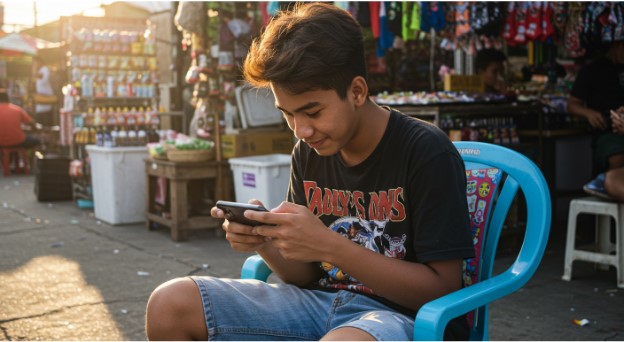
The New Face of Mobile Game Monetization
If you’ve ever downloaded a mobile game in the Philippines, you’ve probably noticed how much things have changed in the way developers earn from their apps. Before, most games relied only on in-app purchases or those simple banner ads. But by 2026, the industry has moved toward hybrid monetization models—a clever mix of ads, subscriptions, in-app purchases, and reward-based systems.
This shift has been a real game-changer because Filipino gamers have their own unique habits. Many are price-sensitive and don’t want to feel pressured into spending, but at the same time, they value immersive and fair gameplay. Developers realized they can’t just stick to one revenue strategy anymore. To keep players happy and still grow their business, they need to strike the right balance between fun and monetization. And that balance is exactly what’s driving the most successful mobile games today.
Why Hybrid Models Dominate in 2026
The biggest reason hybrid monetization has taken center stage is player experience. If you flood gamers with ads, they uninstall. If you lock everything behind paywalls, only a tiny fraction will pay. Hybrid models solve this by giving multiple paths to revenue:
- Players who want to spend can unlock premium features.
- Those who prefer free play can watch ads or engage with rewarded systems.
- Subscriptions offer ongoing value without constant prompts to pay.
In the Philippines, where prepaid load and GCash dominate digital transactions, flexibility matters. A gamer in Manila may prefer watching an ad to unlock coins, while another in Cebu might subscribe monthly to enjoy uninterrupted gameplay. This adaptability is why hybrid monetization thrives.
Popular Hybrid Models in Mobile Games
1. Ads + In-App Purchases (IAP)
This is the most common setup. Players can grind for free by watching rewarded ads or choose to buy gems, skins, or premium content. The balance is key—ads must feel optional, not forced.
Pros: Wide accessibility, steady ad revenue, easy for new players.
Cons: Too many ads can hurt retention.
2. Subscriptions + IAP
More developers now introduce VIP passes or monthly subscriptions. These often include exclusive rewards, ad-free experiences, and faster progression. In the Philippines, this model works well because players are familiar with mobile prepaid promos and GCash auto-payments.
Pros: Predictable monthly revenue, better player loyalty.
Cons: Some players resist ongoing payments.
3. Ads + Subscriptions
A growing trend is allowing users to “pay to remove ads” while keeping other monetization active. For casual games, this hybrid feels fair: free users sustain the game through ads, while premium players enjoy smooth gameplay.
Pros: Win-win for both free and paying players.
Cons: Limited upsell opportunities after ad removal.
4. Reward-Based Engagement
This involves offering in-game benefits when players watch ads, complete surveys, or interact with offers. It’s especially popular in the Philippines because many gamers prefer earning rewards without spending cash.
Pros: Appeals to non-spenders, high engagement.
Cons: Revenue depends on ad partners’ quality.
Comparative Table: Monetization Models in 2026
| Monetization Model | Pros | Cons | Best For |
| Ads + IAP | Accessible, steady revenue | Too many ads can annoy players | Casual and mid-core games |
| Subscriptions + IAP | Predictable income, loyal users | Resistance to recurring payments | Core gamers, RPGs |
| Ads + Subscriptions | Fair balance, free/premium mix | Fewer upsell options | Casual/mobile-first audiences |
| Reward-Based Engagement | Engages non-spenders, fun rewards | Reliant on ad quality | Price-sensitive markets (PH) |
Case Study: The Philippine Gaming Landscape
Mobile gaming in the Philippines has exploded, with over 43 million active mobile gamers. The combination of affordable smartphones and mobile data promos has created a market hungry for free-to-play content. However, Filipino players are also savvy—they want value for their time and money.
Here’s how hybrid monetization plays out locally:
- E-wallet adoption: With GCash and Maya making microtransactions easier, players can buy small in-app purchases.
- Ad tolerance: Pinoy gamers don’t mind rewarded ads, especially if they help them progress without paying.
- Community influence: Many discover games through social platforms like Facebook Gaming, where free-to-play is the norm.
This explains why hybrid monetization works perfectly in the Philippines—it aligns with gamer behavior and spending patterns.
The Role of Engagement and Retention
Hybrid monetization only works if the game keeps players engaged. Developers now design games with live events, daily rewards, and social competitions to keep users coming back. The longer players stay, the higher the chance they’ll either watch ads or eventually make purchases.
Some platforms have perfected this strategy. For instance, the PH365 has introduced hybrid reward systems where players can enjoy free gameplay while having premium options to level up faster. By combining free entry points with upsell opportunities, they’ve built a loyal audience without alienating casual players.
Similarly, Okebet168 uses seasonal passes and reward-based features, creating excitement for both free users and premium subscribers. Their approach shows how mixing models strengthens retention while making monetization feel natural.
Pros and Cons of Hybrid Monetization Models
Pros:
- Flexible for both spenders and non-spenders.
- Higher revenue potential across diverse player types.
- Encourages longer engagement and retention.
Cons:
- Complex to balance—too much monetization can frustrate users.
- Requires continuous updates and testing.
- Higher development costs compared to single-model setups.
What’s Next for Monetization in Mobile Games?
Looking ahead, hybrid models will evolve further in 2026 and beyond. Expect to see:
- AI-driven personalization – Games adjusting offers based on player behavior.
- More subscription bundles – Similar to Netflix or Spotify but tailored for gaming.
- Cross-platform integration – Hybrid monetization extending from mobile to PC or console versions.
- Play-to-earn elements – While not as hyped as before, some developers are integrating light blockchain rewards alongside traditional models.
The Philippine market will remain central to this evolution, as developers continue to test creative ways to balance free access with monetization.
Hybrid monetization models are no longer experiments—they are the standard of mobile gaming in 2026. By combining ads, in-app purchases, subscriptions, and reward-based systems, developers can create experiences that feel fair while sustaining revenue.
For Filipino gamers, this shift is a win: they get more choices, more ways to enjoy games, and the freedom to decide whether to spend or not. Platforms like PH365 and Okebet168 show how strategic hybrid monetization can keep games exciting, inclusive, and profitable at the same time.